Protecting Yourself from Poisonous Mushrooms: Essential Safety Tips
When it comes to foraging for mushrooms, it’s crucial to be aware of the potential risks associated with consuming wild fungi. While the world of mushrooms is diverse and fascinating, there are some species that can be highly toxic if ingested. In this article, we will explore essential safety tips to help you differentiate between edible and poisonous mushrooms, ensuring your foraging adventures remain enjoyable and safe.
Understanding Toxicity Levels in Mushrooms
Identifying Poisonous Mushrooms: The first step in staying safe while foraging is to be able to distinguish between edible and poisonous mushrooms. Some toxic species can closely resemble edible varieties, making proper identification essential. Look for distinguishing features such as color, shape, and texture, and always cross-reference your findings with reputable field guides or mycologists.
Safe Foraging Practices
Location, Location, Location: Be mindful of where you choose to forage for mushrooms. Avoid areas that may have been contaminated with pesticides or other chemicals, and steer clear of heavily polluted areas. Opt for pristine natural environments such as forests, woodlands, or parks where mushrooms are more likely to be safe for consumption.
Harvesting with Caution: When picking mushrooms, handle them carefully to avoid contact with toxic species. Use a knife to cut the stems rather than pulling them out of the ground, as this can help prevent cross-contamination between different types of fungi. Carry mushrooms in a ventilated basket or paper bag to allow for spore dispersal and prevent them from becoming soggy.
5 Common Poisonous Mushrooms to Avoid
1. Death Cap: A deadly mushroom that closely resembles edible varieties such as button mushrooms. Symptoms of poisoning may not appear for several hours, making it especially dangerous.
2. Destroying Angel: This mushroom contains potent toxins that can cause severe gastrointestinal distress. Its white color and gilled appearance make it easy to mistake for other harmless species.
3. False Morel: While true morels are prized culinary mushrooms, false morels can cause symptoms ranging from mild stomach upset to organ failure. Differentiating between the two can be challenging for inexperienced foragers.
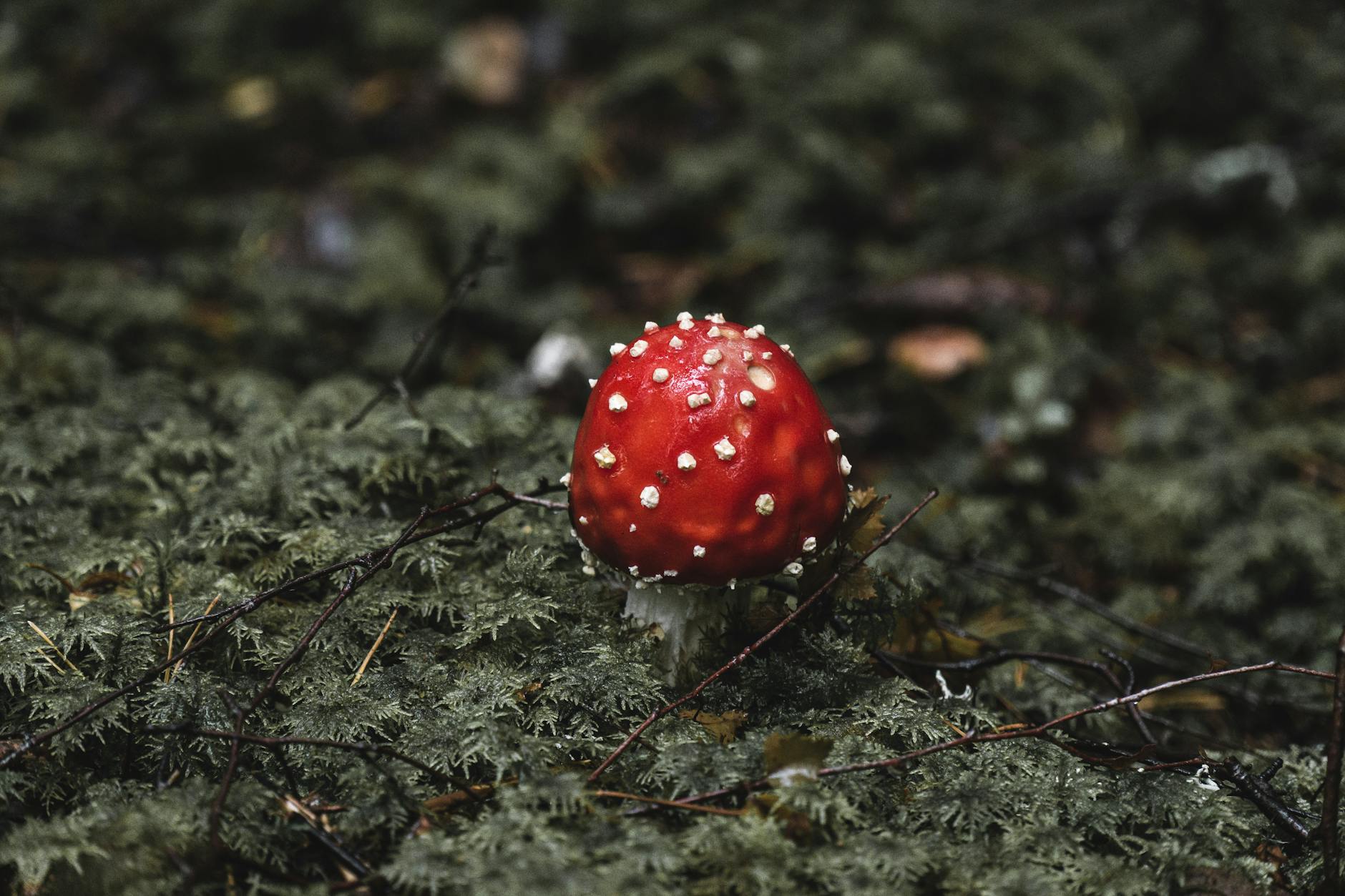
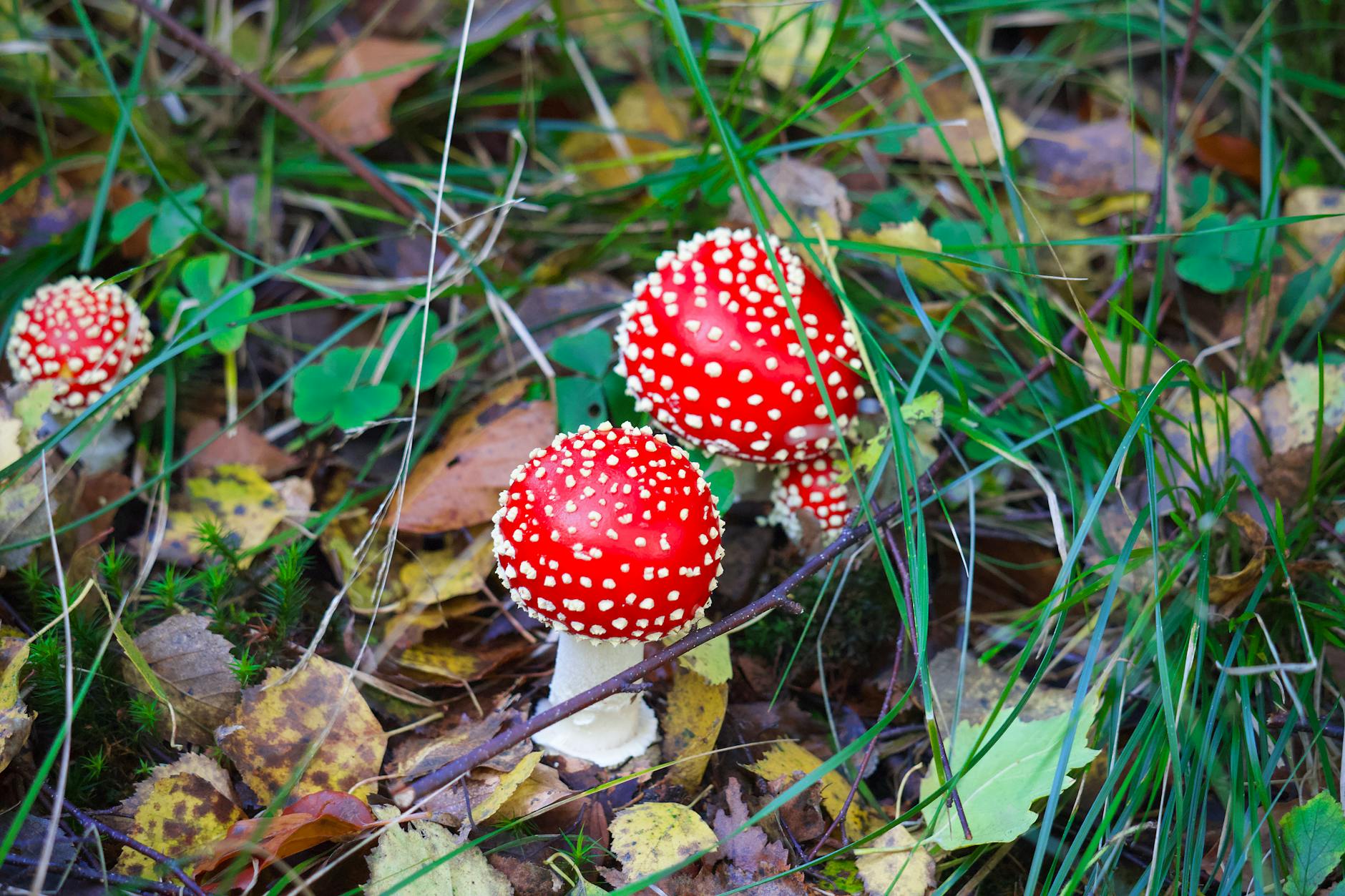
4. Panther Cap: Recognizable by its distinctive red cap with white spots, the panther cap is highly toxic and can lead to symptoms such as nausea, vomiting, and convulsions.
5. Deadly Webcap: Found in damp woodland areas, the deadly webcap contains toxins that affect the nervous system. Ingesting even a small amount of this mushroom can be fatal.
Seeking Professional Guidance
If you are unsure about the safety of a particular mushroom species, it is always best to consult with an experienced mycologist or mushroom expert. Many regions also have mycological societies or clubs that offer workshops and forays to help educate aspiring mushroom foragers and ensure safe identification practices.
By following these essential safety tips and remaining vigilant during your mushroom foraging excursions, you can protect yourself from the potential dangers posed by toxic mushrooms. Remember that the world of fungi is vast and varied, and with proper knowledge and caution, you can enjoy the rewards of harvesting and consuming delicious, safe mushrooms.